Coming soon…
This tabbed panel is currently empty, but we’ll fill it with something soon!
–VTHopHead
Coming soon…
This tabbed panel is currently empty, but we’ll be filling it up soon!
–VTHopHead
What brewing method to use?
Methods include extract, all-grain, and BIAB (brew -in-a-bag).
What is a Lukr tap?
A Lukr tap is a specialized Czech side-pull faucet designed to pour traditional Czech beer styles, such as pilsners, with dense, creamy foam. Introduced in 1991 by the Prague-based company Lukr, it features a ball valve operated by a horizontal handle that acts like a dimmer switch, allowing the server to precisely control the flow rate and foam density.
The faucet includes an extra-long nozzle and a micro screen that aerates the beer when partially opened, creating the signature “wet foam” head that protects the liquid from oxidation and enhances aroma. Unlike standard taps, the Lukr is designed to be submerged in the glass during pouring, enabling specific traditional pour styles like the hladinka (standard), šnyt (half foam), and mlíko (full foam, milk-like pour).
What is a HopHead?
hophead
/ˈhäpˌhed/
A hophead typically refers to a beer enthusiast who loves heavily hopped beers, such as IPAs (India Pale Ales). Historically, the slang term was used as a derogatory label for a narcotics addict, particularly someone addicted to opium or heroin.
The definitions fall into two main categories:
- The Craft Beer Enthusiast (Modern Usage)
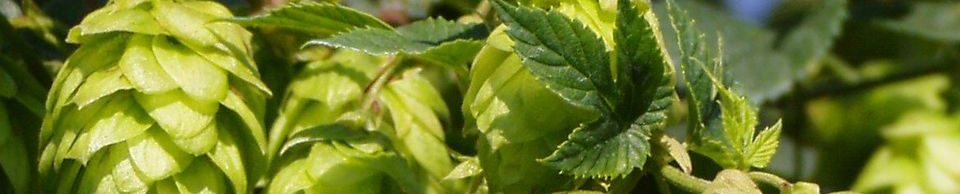
In the craft beer and homebrewing communities, a hophead is someone obsessed with hops—the flower cones used to add bitterness, aroma, and flavor to beer.
Flavor Profile: They seek out beers with strong citrus, floral, piney, or tropical flavors.
Official Recognition: The term has become so widespread that it was officially added to the Merriam-Webster dictionary in 2018. - Narcotic Addict (Historical Slang)
Originating in the early 1900s, this term historically referred to someone heavily dependent on illegal drugs.
Etymology: “Hop” was late-19th-century slang for opium.
Usage: It frequently appeared in mid-20th-century jazz and beat literature before being largely replaced by more modern slang.


